 (Image via
We all know that specific, desperate feeling that creeps in around 2:00 PM on a Wednesday afternoon, where the walls of the office seem to be closing in and the only thing keeping you sane is the daydream of being literally anywhere else. But let’s be real: most of us don't have the luxury of taking two weeks off to fly to Bali or backpack through Europe whenever the mood strikes. This is where the magic of the "micro-trip" comes in, relying on fast-access destinations that let you maximize your relaxation time without spending half of your precious weekend stuck in transit purgatory. The goal here isn't to see the whole world; it's to escape your world just long enough to remember what freedom feels like.
The Philosophy of the "Micro-Trip"
Before we start packing our bags, we need to redefine what a vacation actually looks like. For decades, we’ve been sold the idea that a "real" trip involves a passport, a long-haul flight, and a significant dent in your savings account. But the modern travel landscape is shifting toward frequency over distance.
A fast-access destination is defined by one golden rule: the travel time must be less than four hours door-to-door. This is the "Golden Ratio" of short escapes. If you leave work at 5:00 PM on a Friday, you should be checking into your hotel, Airbnb, or campsite by 9:00 PM that same night. Any longer, and the travel eats into your relaxation time. The beauty of this approach is that it transforms your weekend. Instead of two days of chores and Netflix, you get forty-eight hours of genuine adventure.
The "Hub-and-Spoke" Strategy
To find these hidden gems, you need to look at your home city as a "hub." Draw a circle around it on a map with a radius of about 200 miles. Everything inside that circle is your playground.
Most major cities are built near interesting geographic features—mountains, coastlines, lakes, or historic towns—that served as trade routes or vacation spots for people a hundred years ago. These places are often forgotten in favor of flashy international destinations, but they are goldmines for the short escape.
The Urban-to-Rural Pivot
If you live in a concrete jungle like New York, London, or Tokyo, your fast-access escape should be the opposite of your daily life. You need nature.
- For New Yorkers: The Catskills or the Hudson Valley are perfect examples. A two-hour train ride or drive lands you in deep forests, small artistic towns, and hiking trails that feel a million miles away from the subway.
- For Londoners: The Cotswolds or the Sussex coast offer that classic English countryside charm—rolling hills, cozy pubs, and sea air—all within a quick train journey.
The Rural-to-Urban Pivot
Conversely, if you live in the suburbs or a quiet rural area, your escape might need to be a blast of high energy.
- The "Second City" Trip: Instead of going to the biggest metropolis nearby, try a "second city." If you are in the Midwest, skip Chicago and try Milwaukee or Indianapolis. These cities often have incredible food scenes, museums, and nightlife, but they are easier to navigate, cheaper, and less crowded. You get the urban buzz without the urban stress.
The Rise of the "Nearcation"
The travel industry has noticed this trend, leading to a boom in "nearcations." Hotels are popping up just outside major metro areas that are specifically designed for the weekend warrior. These aren't just places to sleep; they are destinations in themselves.
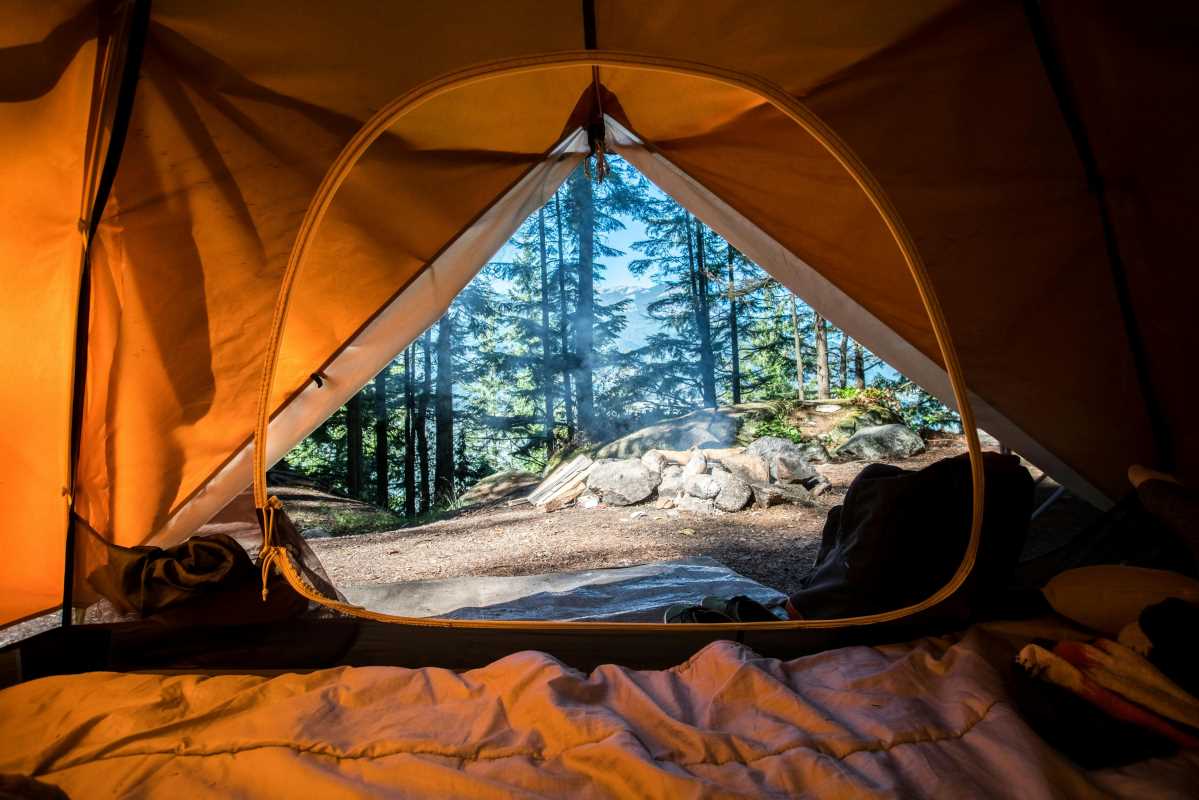
Think of those trendy A-frame cabins you see on Instagram, or "glamping" sites with luxury yurts. These are strategically placed within a two-hour drive of major population centers. They know you don't want to spend all day driving. They offer a "plug-and-play" nature experience. You drive up, the fire pit is already set up, the bed is comfortable, and there is a hiking trail right outside your door. You don't need to bring camping gear or plan an itinerary. You just show up and decompress.
Airport Hacks for the Brave
If you are determined to fly, you have to be strategic to keep it "fast-access." The airport experience can easily add four hours of stress to a trip. To make a flight work for a short escape, you need to follow the "No Checked Bags" rule.
If you are going away for two nights, everything needs to fit in a backpack. This allows you to skip the check-in counter and walk straight to security. It also means when you land, you walk straight out of the airport while everyone else is standing around the baggage claim carousel watching it spin in hypnotic circles.
You also need to target secondary airports.
- In the US: Instead of flying into LAX (Los Angeles), try Burbank or Long Beach. Instead of Miami International, try Fort Lauderdale.
- In Europe: Look for the smaller regional airports served by budget airlines.
These smaller hubs are faster to navigate. Security lines are shorter, walking distances are less, and rental cars are often right outside the terminal. You can shave hours off your transit time just by choosing the less famous airport.
The Train: The Underrated Champion
In many parts of the world, the train is the ultimate vehicle for the fast-access escape. Unlike driving, where you have to focus on the road and deal with traffic, or flying, where you are herded like cattle, the train allows your vacation to start the second you sit down.
You can read a book, nap, or just watch the scenery roll by. It is active relaxation.
High-Speed Rail Corridors
If you are lucky enough to live on the Northeast Corridor in the US (Boston to DC) or anywhere in Europe or East Asia, the train is faster than flying. A trip from Paris to Bordeaux takes two hours by high-speed train. That puts world-class wine country within easy reach for a weekend dinner.
Even standard trains can unlock destinations you would never drive to. Amtrak routes often go through scenic areas that highways bypass completely. taking a slow train to a small coastal town can be part of the adventure.
Specific Fast-Access Archetypes
Let's break down a few classic types of fast-access trips that work almost anywhere.
1. The "Spa Town"
Almost every region has a town famous for its water. In the 19th century, people flocked to natural springs for their health. Today, these towns—like Saratoga Springs in New York, Bath in England, or Beppu in Japan—are perfect for short trips. They are designed for relaxation. You don't need an itinerary; you just need a robe. You go, you soak, you get a massage, you eat a nice meal, and you come home feeling like a noodle.
2. The "College Town"
University towns are fantastic short-escape destinations. Places like Ann Arbor, Michigan; Boulder, Colorado; or Oxford, Mississippi, have a unique energy. Because of the students, these towns punch above their weight in terms of culture. They have great bookstores, cheap but delicious food, quirky coffee shops, and often beautiful architecture and museums. They are walkable, safe, and usually very accessible from major highways.
3. The "State Park" Lodge
National Parks get all the glory, but they are often crowded and hard to get to. State Parks are the unsung heroes. Many of them have historic lodges built in the 1930s that offer a rustic, cozy vibe. They are usually much closer to cities than National Parks. A weekend at a State Park lodge offers hiking, fishing, and stargazing without the massive crowds of Yosemite or Yellowstone.
The Mental Shift: It’s About Disconnection
The most critical part of a fast-access destination isn't the geography; it's the psychology. Because you are close to home, it is tempting to keep checking your work email or worrying about the laundry you left in the dryer.
To make a short escape feel like a long vacation, you have to mentally commit. Turn off notifications. Set an "Out of Office" reply even if it's just for Friday afternoon. When you cross the city limits, visualize yourself crossing a border. You are now in "Vacation Mode."
The beauty of these trips is that they are low stakes. If it rains, who cares? You're only two hours from home. If the museum is closed, it's fine; you can come back next month. This lack of pressure is what makes them so restorative. You aren't trying to justify the cost of a plane ticket by frantically sightseeing. You are just being somewhere else.
Conclusion: Reclaiming Your Time
We often wait for permission to rest. We wait for the holidays, for the approved two weeks off, for retirement. But life is happening right now, on the random weekends in October and March. Fast-access destinations give you permission to seize those moments.
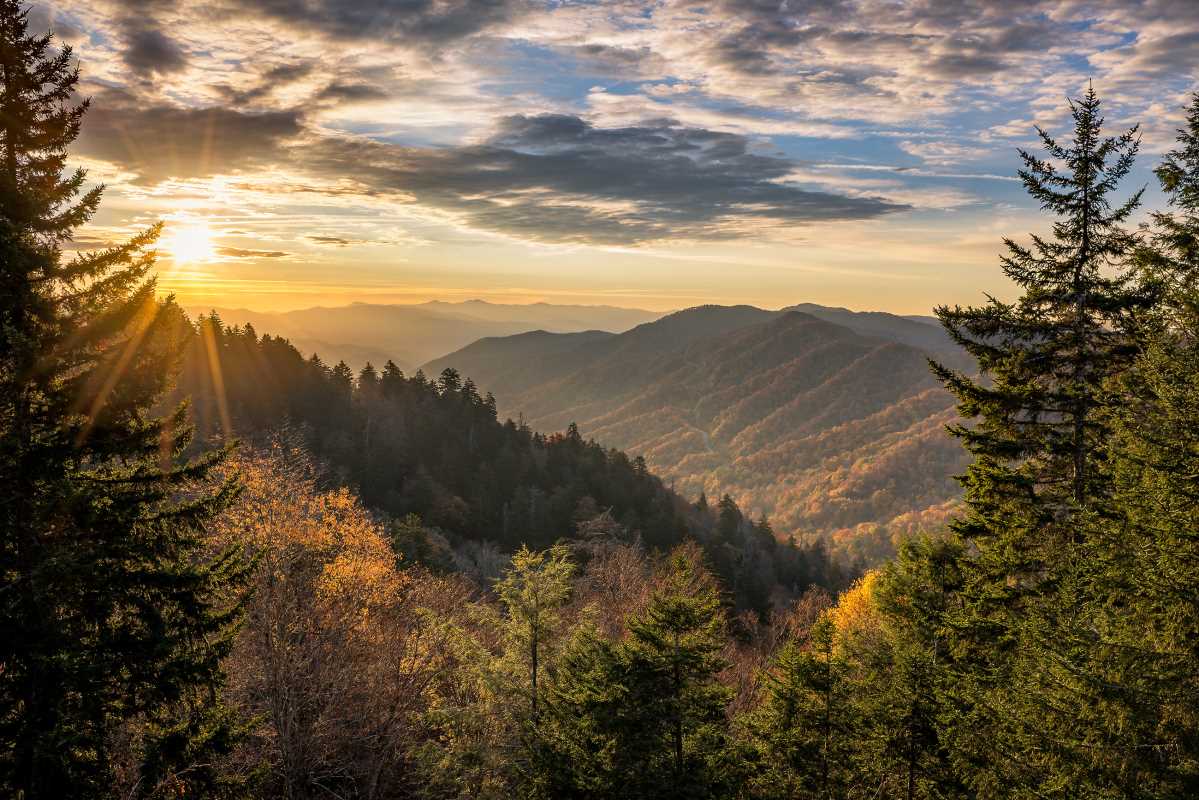
They remind us that adventure isn't about distance; it's about perspective. You don't need to cross an ocean to find wonder. Sometimes, you just need to drive two hours west, find a quiet cabin, turn off your phone, and watch the sun go down over a different set of trees. By mastering the art of the short escape, you stop living for the future and start enjoying the present, one weekend at a time.
.jpg)