 (Image via
Washington, D.C. is often painted as a city of suits, handshakes, and high-stakes political drama, but if you peel back that stiff exterior, you will find a destination that is bursting with incredible stories and fascinating secrets. It is a place where history isn't just something you read about in a dusty textbook; it is something you can walk through, touch, and see with your own eyes on nearly every street corner. Whether you are a total history buff who can name every vice president or just someone who appreciates cool old buildings and impressive statues, the nation's capital has a way of pulling you into its narrative. There is a specific energy here, a feeling that you are standing on the stage where some of the world's most significant events have played out, and the best way to experience it is by hitting the pavement on a historic tour.
The Living Museum
One of the first things you realize when you arrive in the District is that the entire city feels like a museum without walls. The layout itself is a piece of history, designed by Pierre Charles L'Enfant in 1791. The wide avenues and diagonal streets were planned with grand intentions, meant to rival the great capitals of Europe.
But navigating all this grandeur can be a little overwhelming if you don't know where to start. That is where a good tour comes in. Tours in D.C. aren't just about someone pointing at a building and reciting a date. The best ones weave together the scandals, the triumphs, and the quirky anecdotes that make the marble monuments feel like real human achievements.
Walking Through Time: The Georgetown Experience
If you want to see where the history of D.C. began—before it was even the capital—you have to head to Georgetown. This neighborhood is older than the federal district itself and offers a completely different vibe from the monumental core of the city.
Walking tours here are fantastic because the scale is so human. You trade massive white columns for charming cobblestone streets and Federal-style row houses. A guided walking tour in Georgetown often feels like a gossip session about famous former residents. You might stop outside a seemingly normal brick house and learn that a young John F. Kennedy lived there before moving to the White House, or see the tavern where the founding fathers allegedly discussed the location of the new capital city over a few pints of ale.
The C&O Canal is another highlight of these tours. It was once a major lifeline for commerce, and walking along the towpath gives you a glimpse into the industrial past of the region. The guides here are usually experts at pointing out the architectural details that you would miss on your own, like the "fire insurance marks" still visible on some of the oldest homes.
The Icons: The National Mall and Memorials
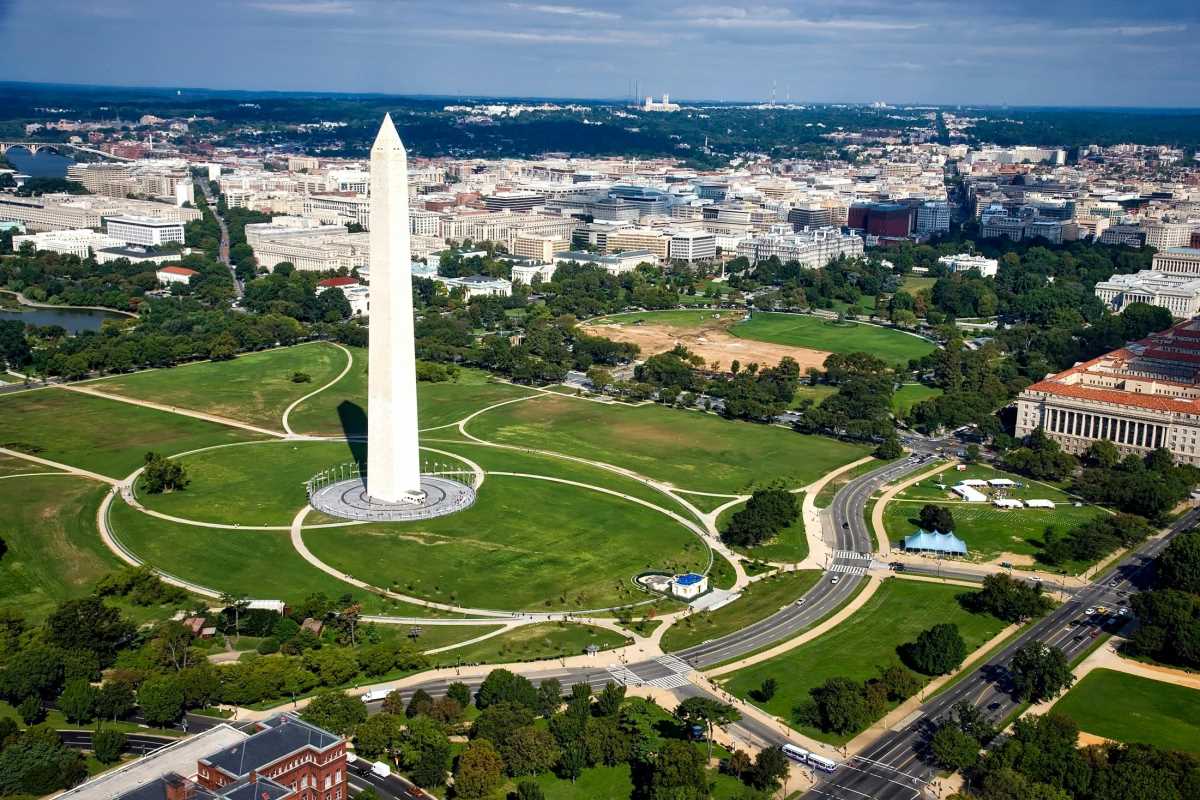
Okay, you can't talk about D.C. history without talking about the National Mall. This is "America's Front Yard," and it is home to the heavy hitters: the Lincoln Memorial, the Washington Monument, and the World War II Memorial.
While you can certainly walk the Mall on your own, a guided tour adds a layer of depth that transforms the experience. For example, standing in front of the Lincoln Memorial is awe-inspiring on its own, but a guide can explain the symbolism behind the 36 columns (representing the states in the Union at the time of Lincoln's death) or point out the faint inscription where Martin Luther King Jr. stood to deliver his "I Have a Dream" speech.
Many travelers opt for bike or Segway tours for this area. The Mall is deceptively large—it is nearly two miles from the Capitol to the Lincoln Memorial. A bike tour allows you to cover that ground efficiently while still getting the historical commentary. Plus, cruising past the Reflecting Pool with the wind in your hair is just a fun way to spend an afternoon.
Another incredible way to see these icons is on a "Monuments by Moonlight" tour. D.C. changes completely when the sun goes down. The white marble of the monuments glows against the dark sky, and the crowds thin out significantly. It is quieter, more reflective, and frankly, a lot cooler in the humid summer months. Hearing the history of the Korean War Veterans Memorial while the statues are illuminated in ghostly light is a haunting and powerful experience.
Inside the Power Centers: The Capitol and The White House
For those interested in the mechanics of government, touring the interiors of the U.S. Capitol and the White House is the ultimate goal. However, these aren't tours you can just stumble into; they require some planning.
The U.S. Capitol Visitor Center offers excellent guided tours that take you into the Rotunda and the Crypt. Seeing the "Apotheosis of Washington"—the massive fresco painted on the inside of the Capitol dome—is a jaw-dropping moment. The guides here are great at explaining the art and the evolution of the building itself, which has been burned, rebuilt, and expanded over two centuries.
White House tours are trickier to snag and usually require submitting a request through a member of Congress months in advance. But if you get in, it is worth the hassle. Walking through the East Room or the State Dining Room, you get a tangible sense of the history that has happened within those walls. You aren't just looking at a house; you are walking through the office and home of almost every American president.
The Smithsonian Factor: More Than Just Artifacts
D.C. is home to the Smithsonian Institution, the world's largest museum, education, and research complex. While admission is generally free, taking a private or small-group guided tour through these massive museums can be a game-changer.
The National Museum of African American History and Culture is a profound journey. A guide can help navigate the emotional and dense history presented here, starting from the bottom levels which detail the horrors of slavery and moving upward toward the contributions of African Americans in culture, sports, and politics.
Similarly, the National Air and Space Museum is packed with so much stuff that it can be hard to know where to look. A guided tour will ensure you don't miss the Spirit of St. Louis or the Apollo 11 Command Module, and will provide the backstory on the daring pilots and astronauts who made those machines famous. These tours turn a walk-through into a structured narrative about human innovation.
Historic Homes and Hidden Gems
Beyond the big government buildings, D.C. is dotted with historic homes that have been turned into museums. Places like the Frederick Douglass National Historic Site in Anacostia offer a deeply personal look at history. Douglass, the famous abolitionist, lived here in his later years. The house is preserved largely as he left it, situated on a hill with an incredible view of the D.C. skyline—a view that a Black man could not have easily owned in many other parts of the country at that time.
Another gem is President Lincoln's Cottage. Located on the grounds of the Soldiers' Home, this was Lincoln's summer retreat. It is where he drafted the Emancipation Proclamation. It feels far removed from the pomp of the White House, offering a look at the private struggles of a wartime president.
Tips for the Time Traveler
To get the most out of your historic trek through Washington, D.C., you need a strategy. Here are a few practical tips to keep in mind:
Timing is Everything:
Spring (specifically cherry blossom season) and fall are beautiful, but they are also peak tourist seasons. If you want fewer crowds, try visiting in late winter or early summer. However, be warned: D.C. summers are notoriously hot and humid. If you visit in July or August, plan your outdoor tours for the early morning or late evening.
Wear the Right Shoes:
This cannot be stressed enough. You will walk miles without even realizing it. The National Mall has gravel paths that can be tough on fancy footwear. Wear your most comfortable broken-in sneakers. Your feet will thank you.
Plan Ahead for the Big Ones:
As mentioned, White House and Capitol tours need advance booking. Similarly, tickets for the African American History and Culture museum or the Holocaust Memorial Museum often require timed-entry reservations that can get snatched up quickly. Check the websites a few months before your trip.
Use the Circulator and Metro:
Driving in D.C. is a headache you don't need. The Metro system is relatively clean, safe, and goes to almost all the major historic sites. The D.C. Circulator bus is another cheap and easy option that runs loops around the National Mall and Georgetown.
Hydrate:
There is not a lot of shade on the Mall. Carry a refillable water bottle. There are water fountains near most of the major memorials and inside the museums.
Read the Plaques:
It sounds simple, but slow down. D.C. is full of small markers and plaques that tell incredible stories about spies, fires, and civil rights battles that happened right where you are standing.
Washington, D.C. is a city that rewards curiosity. It invites you to ask questions about who we are and where we came from. By taking a historic tour, you aren't just sightseeing; you are connecting with the complicated, messy, and inspiring story of a nation. So, lace up those sneakers and get ready to walk through history—it is waiting for you on every corner.