 (Image via
When you think of New Orleans, what comes to mind? Chances are, it’s a vibrant, colorful, and joyous parade with music in the air and beads flying from massive floats. Parades are the lifeblood of this city, a tradition woven so deeply into its fabric that it feels less like an event and more like a fundamental part of its identity. For a traveler, experiencing a New Orleans parade is a must-do, but understanding where they happen, and why, is the key to unlocking an truly authentic and unforgettable experience.
More Than Just a Street Party
First, it is important to understand that in New Orleans, a parade is not just a parade. It is a procession thrown by a "krewe," which is a social organization that puts on the parade and often a ball for its members. Each krewe has its own unique history, theme, and signature "throws"—the items they toss to the crowds. While Mardi Gras is the most famous parade season, the city finds reasons to celebrate with "second line" parades for weddings, funerals, and festivals all year long.
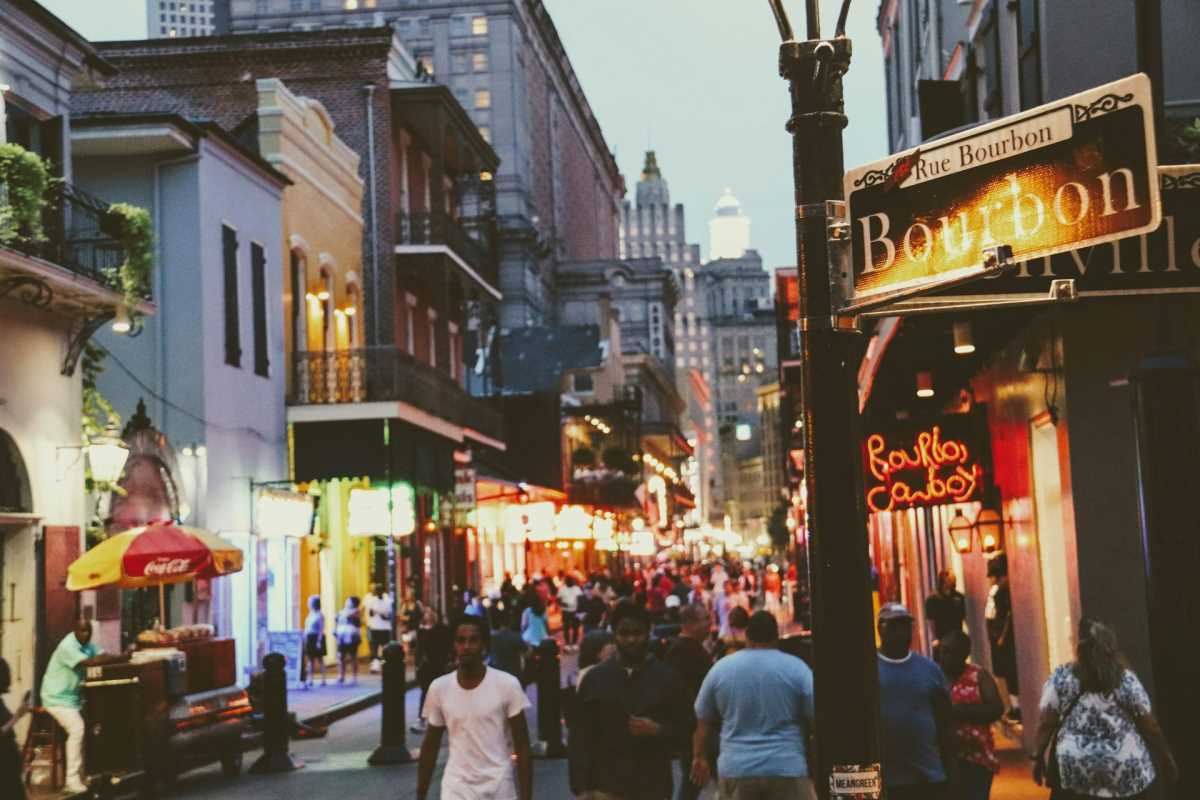
Navigating these events isn't as simple as just showing up on Bourbon Street. In fact, most of the major Mardi Gras parades are not even allowed in the French Quarter due to its narrow streets and historic architecture. The real action happens along specific, time-honored routes that each offer a different vibe. Understanding these routes is the first step to planning your perfect parade adventure.
The Uptown Route: The Classic Mardi Gras Experience
When locals talk about "the route," they are almost always referring to the Uptown/St. Charles Avenue route. This is the granddaddy of all parade routes, the main artery for the most famous and elaborate Mardi Gras krewes, including Zulu, Rex, Bacchus, Endymion, and Muses.
The Lay of the Land:
This route is long, stretching over six miles. It typically begins in the Uptown/Carrollton neighborhoods, winding its way down St. Charles Avenue through the beautiful Garden District, before turning onto Canal Street on the edge of the French Quarter and ending near the Central Business District (CBD).
What Makes It Special:
St. Charles Avenue is arguably the most picturesque parade-viewing spot in the world. You’ll be standing under a canopy of ancient live oak trees, with historic mansions as your backdrop. The vibe here is much more family-oriented, especially in the beginning stretches of the route (the "Uptown" side). Families set up their ladders, barbecues, and coolers hours, sometimes days, in advance to claim their spot.
As the parade moves "down the route" closer to the CBD, the crowds get denser, younger, and a bit rowdier. The section along Canal Street is where you’ll find the highest concentration of tourists and the most intense energy.
Pro-Tips for the Uptown Route:
- The Family Zone: If you are with kids or prefer a more relaxed atmosphere, find a spot on St. Charles Avenue anywhere between Napoleon Avenue and Jefferson Avenue. It's calmer, and you have a better chance of interacting with float riders.
- The Party Zone: For a high-energy experience, position yourself where St. Charles Avenue meets the CBD, around Lee Circle or on Canal Street. Be prepared for dense crowds.
- Transportation is Key: The St. Charles streetcar line shuts down during parades. Your best bet is to walk, bike, or take a rideshare to a spot several blocks away from the route and walk in. Driving and parking are nearly impossible.
The Mid-City Route: Home of the Super-Krewe
While the Uptown route is steeped in tradition, the Mid-City route is known for scale. This route is primarily home to the Krewe of Endymion, one of the three "super-krewes" of Mardi Gras. Endymion is famous for its massive, technologically advanced floats (some are multiple sections long) and its celebrity grand marshals.
The Lay of the Land:
The Mid-City route starts near City Park, runs down Orleans Avenue, and then turns onto Canal Street, where it meets the Uptown route for its final leg.
What Makes It Special:
Endymion is a spectacle unlike any other. The parade is so big that it feels like a rolling block party. The wide streets of Mid-City allow for these gigantic floats to navigate, something that would be impossible on other routes. The crowd here is predominantly local and extremely enthusiastic. People stake out their spots along the neutral ground (the grassy median) early in the day, setting up elaborate camps with food, drinks, and music. The energy is electric from start to finish.
Pro-Tips for the Mid-City Route:
- Arrive Early: This cannot be stressed enough. Endymion is one of the most popular parades of the season. To get a good spot, you need to be there hours ahead of time.
- Embrace the Neutral Ground: The best place to watch is from the neutral ground on Orleans Avenue. It offers more space to spread out and a better vantage point for catching throws.
- Post-Parade Plan: Endymion concludes its parade by rolling directly into the Caesars Superdome for its formal ball, the Endymion Extravaganza. This means tens of thousands of people are all leaving the same area at once. Have a plan for getting back to your accommodations, as traffic and rideshare availability will be challenging.
The Westbank Route: A Local Favorite
For travelers looking to get off the beaten path and experience a more local flavor of Mardi Gras, the Westbank is the place to be. The Westbank refers to the communities on the west side of the Mississippi River, just a short ferry or bridge ride from the main part of the city.
The Lay of the Land:
Parades on the Westbank, like the Krewe of NOMTOC (New Orleans' Most Talked-Of Club), run through residential neighborhoods. The routes are typically straightforward, following major thoroughfares like General Meyer Avenue or General de Gaulle Drive.
What Makes It Special:
The Westbank parades are a throwback to a more community-focused Mardi Gras. The crowds are almost entirely local families. It’s less about the massive spectacle and more about neighbors celebrating with neighbors. You’re more likely to have a friendly chat with the family next to you and catch a higher volume of throws, as the crowds are much smaller. It is an incredibly welcoming and laid-back atmosphere.
Pro-Tips for the Westbank Route:
- Easy Logistics: Driving and parking are much simpler here. You can often find a spot just a block or two off the route.
- Bring a Big Bag: Seriously. The float riders on the Westbank are generous. With less competition, you will likely walk away with a huge haul of beads, cups, and other trinkets.
- Check the Schedule: Westbank parades often roll on the weekends leading up to Mardi Gras Day, making them a great option if you are in town early.
The French Quarter: Walking Parades and Unpredictable Fun
While the big vehicle parades are not allowed, the French Quarter has its own unique and chaotic parade culture. These are almost exclusively walking parades, which are smaller, quirkier, and often more interactive.
The Lay of the Land:
There are no set routes for many of these. They wander through the streets of the Quarter, often starting and ending at a favorite bar. The two most famous are the Krewe of Barkus (a dog parade) and the Krewe du Vieux, known for its wild political satire and adult themes.
What Makes It Special:
This is street-level theater. You are not separated from the performers by barricades. You are in the parade with them. The creativity is off the charts, with handmade costumes and small, hand-pulled floats. It feels spontaneous and joyfully rebellious. On Mardi Gras Day itself, the French Quarter becomes a sea of incredible costumes, with informal walking groups parading all day.
Pro-Tips for the French Quarter:
- Krewe du Vieux is Not for Kids: Be warned, this parade is R-rated and prides itself on its raunchy and provocative themes.
- Wear Comfortable Shoes: You will be doing a lot of walking and standing.
- Go with the Flow: The beauty of the Quarter is its unpredictability. Don't try to stick to a rigid schedule. Wander, explore, and let the celebration carry you along.
General Parade-Going Wisdom
No matter which route you choose, a few universal rules will make your experience better:
- Bathrooms are Scarce: This is the golden rule of parade-going. Public restrooms are few and far between. Many businesses sell bathroom access, or you can find Port-a-Potties for a fee. Plan accordingly.
- "Throw Me Something, Mister!": This is the official rallying cry. Make eye contact with the float riders, wave your hands, and yell it with enthusiasm.
- Watch Your Feet: Don't pick up beads off the ground until the float has completely passed. Float wheels and feet do not mix.
- Pack Light, But Smart: Bring a bag for your throws, water, snacks, hand sanitizer, and a portable phone charger.
Experiencing a parade in New Orleans is about so much more than just catching beads. It’s about participating in a living, breathing cultural tradition. By understanding the city's iconic routes, you can move beyond being a spectator and truly become part of the celebration.